Reflections from Access to Medicines Platform’s community dialogues and multi-stakeholder accountability engagements in Vihiga County.
When a survivor of gender-based violence (GBV) chooses not to report a case or is pressured into accepting an informal settlement, the consequences extend far beyond one individual. Every unresolved case weakens public confidence in the justice system, emboldens perpetrators, and leaves communities vulnerable to repeated cycles of violence.
Across Kenya, the legal framework for preventing and responding to gender-based violence (GBV) has strengthened considerably. The Constitution of Kenya, the Sexual Offences Act, the Protection Against Domestic Violence Act, and related policies provide a robust legal foundation for survivor protection, access to justice, and the prosecution of perpetrators. However, the existence of these legal frameworks has not consistently translated into survivors obtaining justice.
The scale of the problem remains substantial. According to the 2022 Kenya Demographic and Health Survey , 34% of women aged 15–49 have experienced physical violence since the age of 15, while 13% have experienced sexual violence. Although these figures demonstrate the widespread nature of GBV, many survivors still do not report incidents to formal justice or protection systems due to barriers such as stigma, fear of retaliation, limited awareness of available services, economic dependence, and low confidence in institutional responses. As a result, many cases remain unresolved, perpetuating cycles of violence and impunity.
Instead, many are quietly resolved through informal negotiations, often referred to as “kangaroo courts.”
This raises an important question: What does it cost communities when justice is negotiated behind closed doors?
When justice becomes a private matter
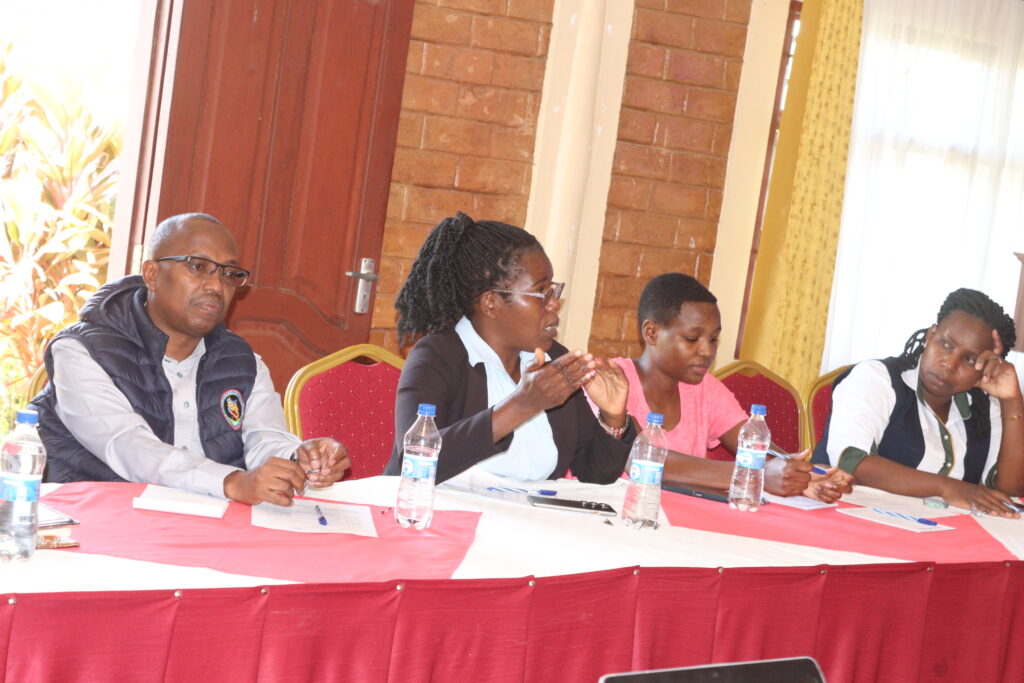
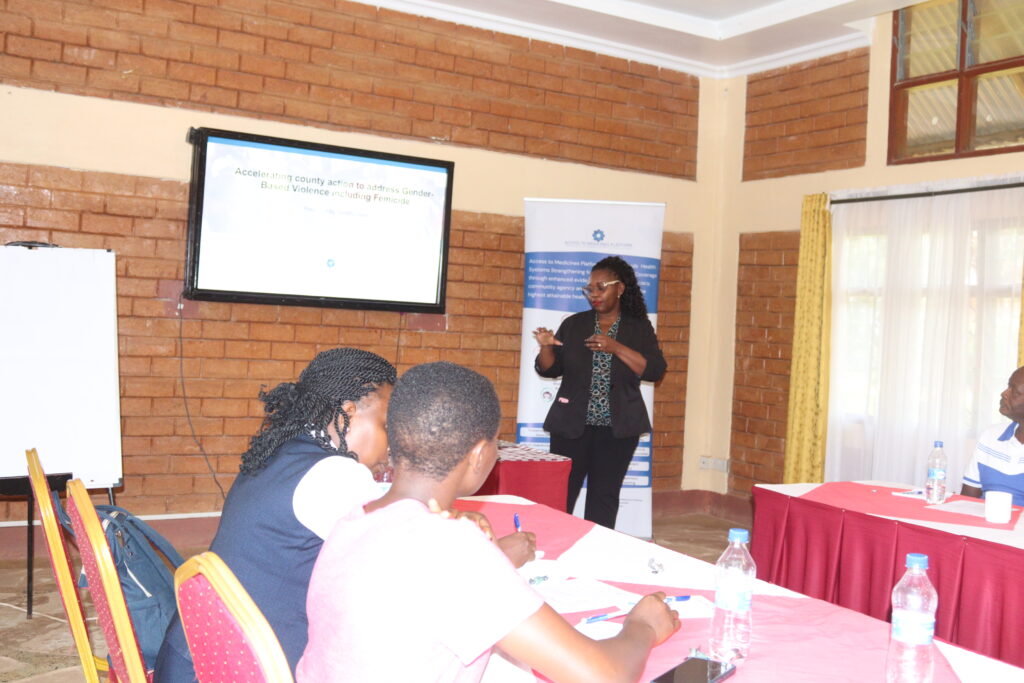
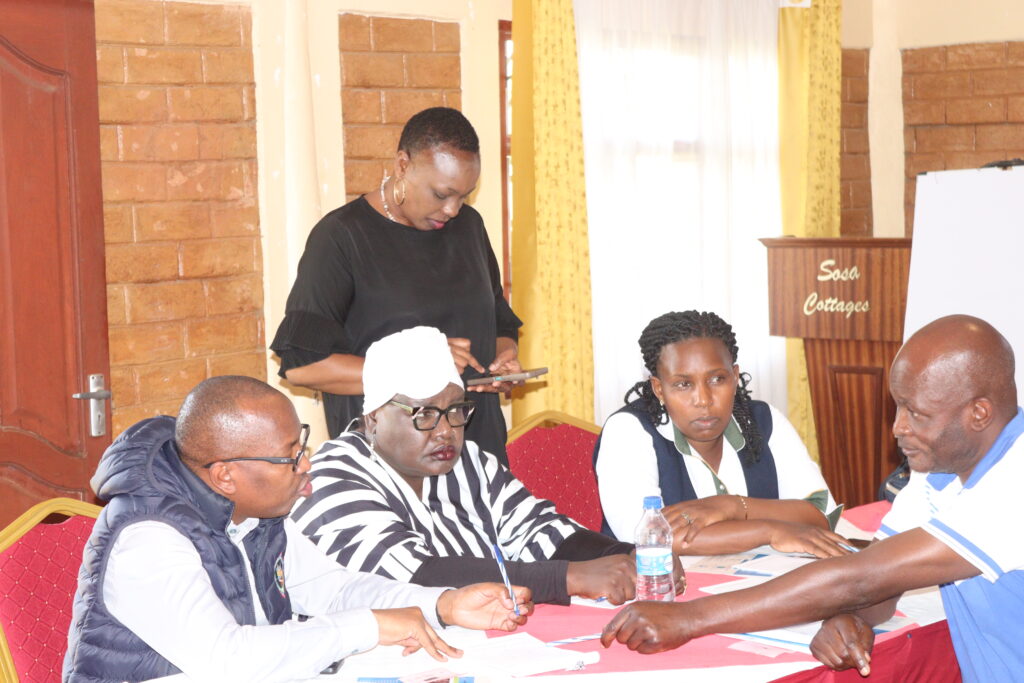
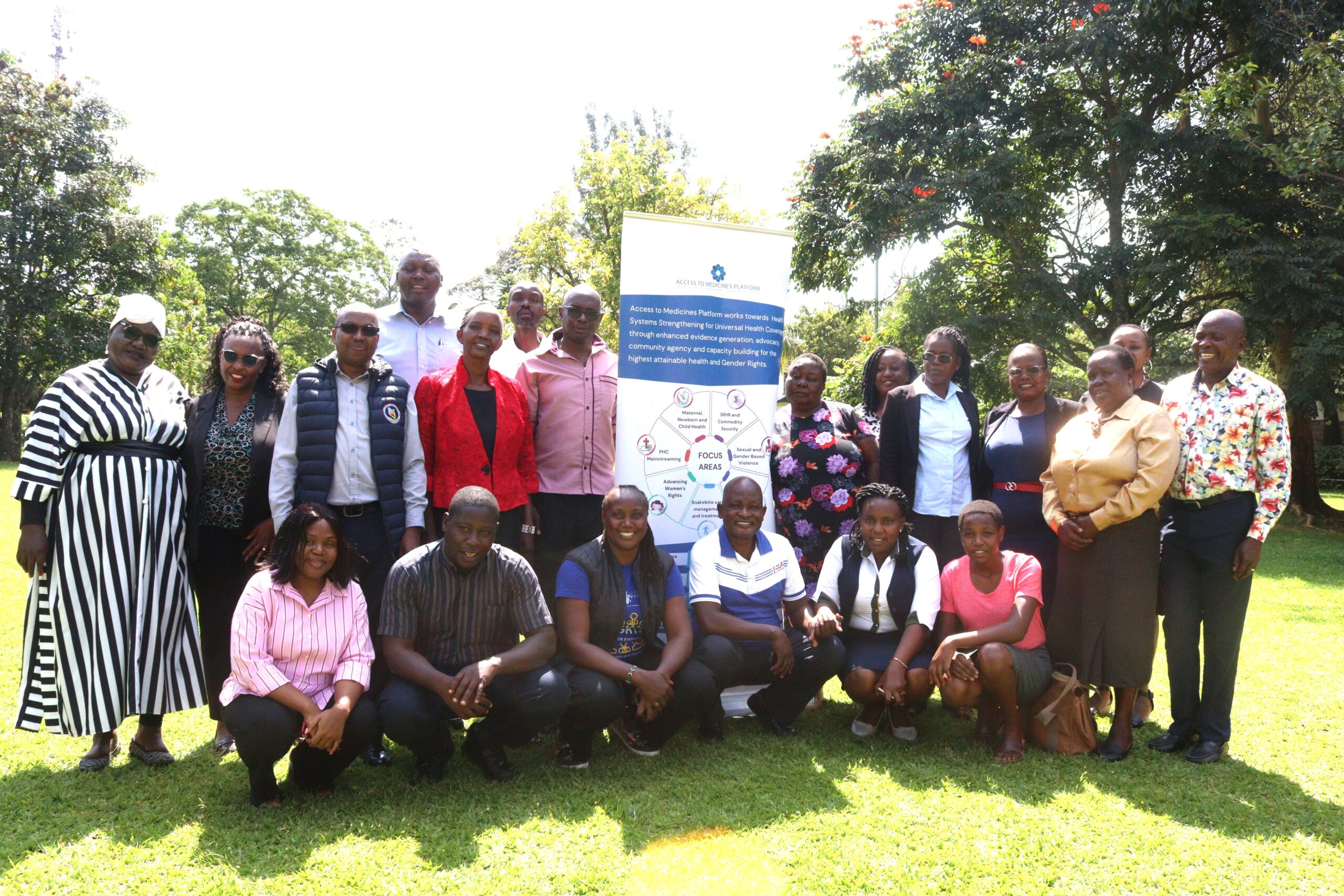
During a recent county-level accountability engagement in Vihiga County, convened by Access to Medicines Platform (AtMP) with support from the Urgent Action Fund, stakeholders identified the continued use of informal settlements as one of the barriers to an effective GBV response.
In many communities, survivors and their families face immense pressure to resolve cases outside the formal justice system. These settlements may involve financial compensation, mediation by community elders, or negotiations between families, often framed as a way to preserve relationships or avoid public shame.
While such approaches may appear to offer quick resolutions, they often prioritize social harmony over justice and survivor wellbeing.
For survivors, the result can be devastating.
They may lose access to legal protection, psychosocial support, medical services, and the opportunity to hold perpetrators accountable. Many are left to cope with trauma while those responsible face little or no consequence.
The ripple effect on communities
Informal settlements do more than deny justice to one survivor, they undermine the entire GBV prevention and response system.
When perpetrators believe that cases can be negotiated away, accountability weakens. Survivors become less likely to report violence, particularly if they believe their experiences will not be taken seriously or will ultimately be resolved through family negotiations.
I’ve seen mothers withdraw cases because they fear dividing their families or losing financial support. Months later, another girl from the same community becomes a victim of the same perpetrator. That’s when you realize informal settlements don’t solve violence—they simply move it to the next survivor.
Sam Mugita — Haki Mashinani Champion and Community Paralegal
This contributes to a culture of silence, underreporting and impunity.
Communities then lose an opportunity to address the root causes of violence, while repeat offenders remain free to harm others.
In this way, informal settlements become not only a justice issue but also a public health and human rights concern.
A survivor-centred response requires more than laws
Kenya has made significant progress in strengthening policies and institutional frameworks to address GBV. However, effective implementation depends on ensuring that survivors can safely access the services they need.
A survivor-centred response should guarantee:
- Timely medical care and forensic examination
- Psychosocial support
- Safe reporting mechanisms
- Legal aid and access to justice
- Protection from intimidation or retaliation
- Confidentiality and dignity throughout the process
When cases are diverted into informal negotiations, many of these essential services are never accessed. The result is not only injustice but missed opportunities to prevent future violence.
Changing community norms
Addressing informal settlements requires more than stronger enforcement, it requires changing the social norms that allow them to persist.
Community leaders, faith leaders, elders, health workers, police officers, and civil society organizations all play a critical role in reinforcing that criminal acts of GBV are matters of public justice, not private negotiation.
Communities also need greater awareness of survivors’ rights and available support services. Families should be empowered to prioritize safety and justice over social pressure or financial compensation.
When communities understand that reporting violence protects not only one survivor but also future victims, attitudes begin to shift.
Strengthening accountability at county level
Through the Urgent Action Fund initiative, AtMP is supporting county governments and stakeholders to strengthen coordinated GBV prevention and response systems.
This includes facilitating multi-sector dialogue, supporting the localization of national recommendations into county action plans, strengthening referral pathways and promoting accountability among institutions responsible for protecting survivors.
The conversations held during the multi-stakeholder engagements reinforced an important lesson: ending GBV requires more than stronger policies. It requires communities and institutions that consistently uphold survivors’ rights and reject practices that allow violence to go unpunished.
Justice Cannot Be Negotiated
Every survivor deserves to be heard, protected, and supported.
Every perpetrator should be held accountable through the justice system.
And every community has a responsibility to reject practices that normalize violence or treat criminal offences as private family matters.
Informal settlements may appear to offer a quick solution, but their hidden costs are profound. They deny justice, weaken institutions, perpetuate impunity, and place more women and girls at risk.
If Kenya is to achieve a truly survivor-centred response to GBV, accountability must begin with one simple principle:
Violence is not a private dispute. It is a violation of human rights, and justice cannot be negotiated.
Access to Medicines Platform (AtMP) will continue convening county governments, survivors, and community stakeholders in Vihiga and beyond to close this gap — strengthening referral pathways, evidence-informed dialogue, and institutional accountability so that survivors are met with justice, not negotiation.